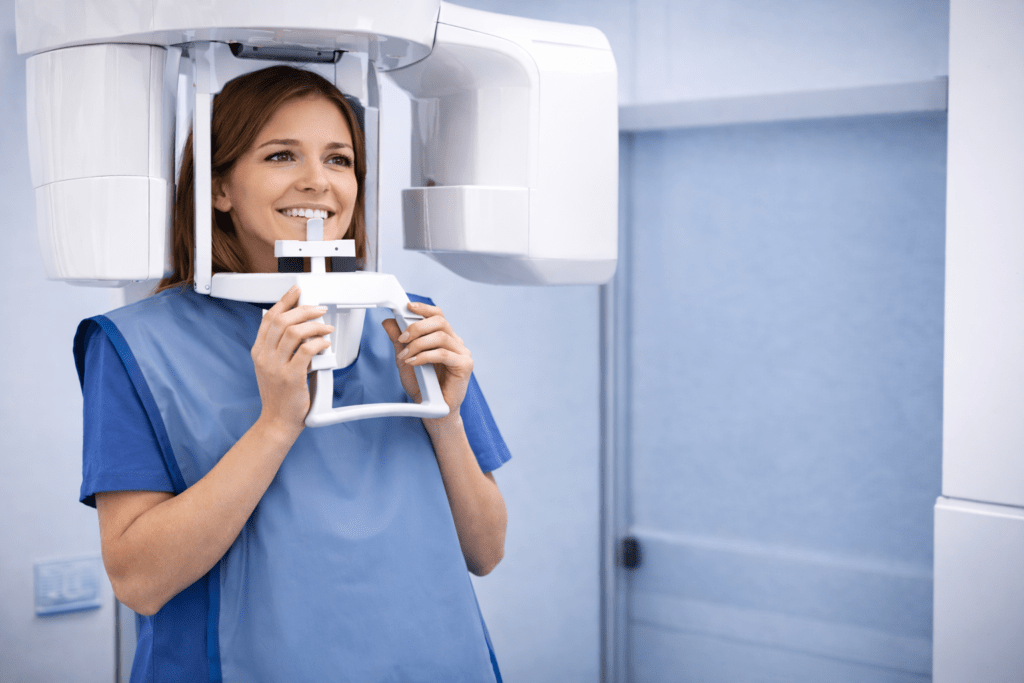
If the idea of dental X-rays makes you uneasy, you’re not alone. Many adults—especially those who already feel nervous about dental visits—worry about radiation exposure and whether X-rays are truly necessary. At V&G Cosmetic Dentistry in Doral, FL, we hear these concerns often, and we believe that understanding why and how X-rays are used can make a big difference in comfort and confidence.
The short answer is yes—dental X-rays are safe for adults, and modern technology has made them safer than ever. Let’s break down what dental X-rays are, how often they’re needed, and why they play such an important role in protecting your long-term oral health.
What Are Dental X-Rays and Why Are They Important?
Dental X-rays are diagnostic images that allow your dentist to see what’s happening beneath the surface of your teeth and gums. While a visual exam is helpful, it can’t detect everything.
X-rays help identify:
- Cavities between teeth
- Bone loss caused by gum disease
- Infections or abscesses
- Impacted teeth
- Problems beneath crowns, fillings, or bridges
Many dental issues develop quietly without pain or obvious symptoms. X-rays allow problems to be caught early—often before they become painful, expensive, or invasive to treat.
Are Dental X-Rays Safe for Adults?
This is one of the most common questions we hear, especially from patients who experience dental anxiety. The good news is that modern dental X-rays use extremely low levels of radiation and are considered safe when used appropriately.
Today’s digital dental X-rays expose patients to far less radiation than older, film-based systems. In fact, the amount of radiation from a dental X-ray is comparable to what you’re exposed to naturally in everyday life—from sunlight, household electronics, and even the air we breathe.
At V&G Cosmetic Dentistry, we take a personalized approach. We only recommend X-rays when they are clinically necessary and beneficial for your care.
Understanding Radiation in Dental X-Rays
The word “radiation” can sound alarming, but context matters. Dental X-rays involve very small, controlled doses of radiation.
To put it into perspective:
- Dental X-rays use a fraction of the radiation found in many medical imaging tests
- Safety measures like lead aprons and thyroid collars further reduce exposure
- Digital sensors allow for faster, more targeted imaging
These safeguards make dental imaging one of the safest diagnostic tools used in healthcare today.
How Often Are Dental X-Rays Needed?
There’s no universal schedule for dental X-rays—it depends on your individual needs. Factors that influence how often X-rays are recommended include:
- Your age
- Your oral health history
- Your risk for cavities or gum disease
- Existing dental restorations
- Symptoms such as pain or sensitivity
For adults with healthy teeth and gums, X-rays may only be needed every couple of years. Patients with ongoing dental concerns or a history of gum disease may need them more frequently to monitor changes.
Digital X-Rays vs. Traditional X-Rays
Modern dental offices use digital X-rays, which offer several advantages:
- Significantly reduced radiation exposure
- Immediate image viewing
- Higher image clarity for more accurate diagnosis
- No chemical processing or film
Digital technology allows dentists to capture precise images while minimizing exposure. Images can be enlarged, adjusted, and shared easily, helping your dentist make informed decisions with greater confidence.
Dental X-Ray Risks: What Patients Should Know
Every medical tool carries some level of risk, but with dental X-rays, those risks are considered very minimal. Problems arise not from taking X-rays when they’re needed—but from avoiding them altogether.
Skipping recommended X-rays can allow small issues to progress unnoticed, leading to:
- Larger cavities
- Advanced gum disease
- Tooth loss
- More complex and costly treatments
Our goal is to strike the right balance between safety and prevention.
Dental X-Rays and Pregnancy
Pregnancy naturally raises additional concerns about imaging. In most cases, routine dental X-rays can be postponed during pregnancy if there’s no urgent need. However, if there is pain, infection, or another dental emergency, X-rays may still be necessary.
Protective measures such as lead aprons and thyroid collars are always used, and your dentist will help determine the safest course of action for both you and your baby.
Why Dental X-Rays Matter for Long-Term Oral Health
Dental X-rays aren’t just about diagnosing problems—they’re about preventing bigger issues down the road. Early detection allows for:
- More conservative treatments
- Less discomfort
- Lower costs over time
- Better long-term outcomes
For patients who already feel anxious about dental visits, preventing problems early can mean fewer procedures and more peace of mind.
Dental X-Rays and Dental Anxiety
If you feel nervous about dental visits, you’re not alone. Many patients avoid care because of fear or past experiences. As trusted dentists in Doral, FL, we focus on education, transparency, and comfort.
Understanding why X-rays are taken—and knowing they’re safe—can reduce fear and help you feel more in control of your care.
Our Commitment to Imaging Safety
At V&G Cosmetic Dentistry, patient safety always comes first. We use modern digital imaging, follow strict safety protocols, and tailor recommendations to each individual patient. Most importantly, we take the time to answer your questions and explain every step.
Take the Next Step with Confidence
Dental X-rays are a safe, essential part of preventive dentistry and play a key role in protecting your smile for years to come. If you’ve been putting off care because of anxiety or uncertainty, we’re here to help.
 Call us today to schedule an appointment and take control of your oral health!