Essential Dental Health Tips for Expecting Mothers – Protect Your Smile and Baby!

Pregnancy is a beautiful journey full of excitement — but it also brings many changes to your body, including your oral health. At V&G Cosmetic Dentistry in Doral, FL, we want every expecting mother to feel confident and informed about protecting her smile during this special time. Taking care of your teeth and gums now not only keeps your mouth healthy but also helps safeguard your baby’s health. Here’s what you need to know.

Tips for Maintaining Oral Health When Pregnant

Pregnancy can sometimes make oral care feel more challenging, but sticking to a gentle and consistent routine is key. Brush your teeth twice a day with a soft-bristled toothbrush and fluoride toothpaste, and floss daily to remove plaque. If morning sickness or acid reflux cause you to vomit, rinse your mouth with plain water afterward to neutralize acid—avoid brushing right away to prevent enamel wear.

Eating a balanced diet rich in calcium and vitamins supports strong teeth and gums. And remember to stay hydrated — water helps keep your mouth clean and reduces dry mouth, a common pregnancy complaint.

Impact of Pregnancy Hormones on Teeth

Pregnancy hormones can make your gums more sensitive, causing swelling, redness, and bleeding—known as pregnancy gingivitis. You might notice your gums bleed during brushing or flossing more than usual. These hormones also increase your risk of plaque buildup, which can worsen gum inflammation if not managed.

Early recognition of these symptoms is important. If you experience unusual gum discomfort or swelling, don’t hesitate to contact us at V&G Cosmetic Dentistry so we can help you keep your gums healthy.

Dental Checkups and Pregnancy

Many women wonder if it’s safe to visit the dentist while pregnant. The answer is yes! Routine dental exams and cleanings are not only safe but highly recommended, ideally during the second trimester. These visits help monitor your oral health, prevent gum disease, and address any concerns early.

Our team at V&G Cosmetic Dentistry is experienced in providing comfortable and safe dental care tailored for expecting mothers. We’ll work with you to ensure your visit is stress-free and effective.

Why Dental Care is Crucial During Pregnancy

Taking care of your teeth during pregnancy does more than just keep your smile bright—it protects your baby too. Studies show a connection between gum disease and pregnancy complications like preterm birth and low birth weight. By maintaining good oral hygiene and addressing dental issues promptly, you’re helping support a healthier pregnancy.

Untreated cavities or infections can also spread bacteria that affect your overall health. That’s why pregnancy is the perfect time to prioritize dental care.

Safe Dental Treatments During Pregnancy

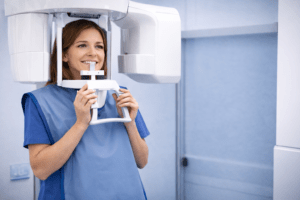
Certain dental treatments are safe during pregnancy, including cleanings, fillings, and even X-rays (with proper shielding). However, elective procedures like teeth whitening or major surgeries are best postponed until after delivery.

At V&G Cosmetic Dentistry, we create personalized care plans that respect your pregnancy stage and comfort level. Our goal is to keep you healthy without any unnecessary risks.

Oral Care Products Safe for Pregnant Women

Choosing the right oral care products matters when you’re expecting. Opt for fluoride toothpaste and mild mouthwashes free of harsh chemicals and whitening agents that aren’t recommended during pregnancy. Avoid products with strong essential oils or ingredients that could irritate sensitive gums.

If you’re unsure which products are safest, just ask! Our team is happy to guide you toward pregnancy-friendly options.

Ready to Protect Your Smile and Baby’s Health?

Pregnancy is a special time that deserves special dental care. At V&G Cosmetic Dentistry in Doral, FL, we’re committed to supporting expecting mothers with gentle, expert dental care every step of the way.

📞 Call us today at (305) 901‑4856 or visit www.vgcosmeticdentistry.com to schedule your pregnancy-safe dental exam. Let’s keep your smile healthy for you and your little one!

📞 Call us today to schedule an appointment and take control of your oral health!
Post Operative Instructions

by V&G Cosmetic Dentistry

AFTER REMOVABLE DENTURE DELIVERY

After the delivery of a removable denture, there are specific post-operative instructions you should follow to ensure proper adjustment, comfort, and maintenance of your new prosthesis. Here’s a general guide:

Initial Adjustment Period: It’s normal to experience a period of adjustment as your mouth gets used to the new denture. This includes minor discomfort, increased saliva production, and temporary changes in speech and chewing.

Wearing Your Denture: Follow your dentist’s advice on how long to wear your denture each day. Initially, you may be advised to wear it most of the time, including while sleeping, to identify areas that may need adjustment. Later, you may be advised to remove it at night to allow your gums to rest.

Eating: Start with soft foods cut into small pieces. Chew slowly using both sides of your mouth at the same time to prevent the denture from moving. Gradually introduce more varied textures as you become accustomed to your denture.

Speaking: Practice speaking aloud to quickly adjust to your denture. If you notice clicking sounds while talking, try speaking more slowly. Reading aloud can also speed up the adjustment to speech patterns.

Cleaning Your Denture: Clean your denture daily using a denture brush and a cleaning solution recommended by your dentist. Avoid using regular toothpaste as it can be abrasive to the denture. Rinse your denture after every meal.

Oral Hygiene: Maintain good oral hygiene by brushing your gums, tongue, and palate every morning with a soft-bristled brush before inserting your dentures. This stimulates circulation in your tissues and helps remove plaque.

Denture Soaking: When not wearing your denture, soak it in a cleaning solution or water to prevent it from drying out and losing its shape. Follow your dentist’s recommendations for soaking solutions.

Avoid Certain Products: Avoid using bleach or boiling water to clean your denture, as these can damage the material and alter its fit.

Regular Dental Checkups: Visit your dentist regularly for checkups to ensure the health of your oral tissues and the proper fit of your denture. Your denture may need to be adjusted or relined over time to ensure a comfortable fit.

Handling with Care: When handling your denture, do so over a folded towel or a sink filled with water to prevent damage if dropped.

Report Problems: If you experience persistent discomfort, irritation, or if your denture becomes loose, contact your dentist for an adjustment. Do not attempt to adjust or repair your denture yourself.

Remember, adapting to your new denture takes time, and patience is key to a successful transition. Always follow the specific instructions and recommendations provided by your dentist.

Post Operative Instructions

by V&G Cosmetic Dentistry

AFTER SURGICAL EXTRACTION

Post-operative instructions after a surgical extraction are crucial to ensure proper healing and to minimize complications. Here’s a general guide, but remember to follow any specific advice provided by your dentist or oral surgeon:

Bleeding Management: Bite on a gauze pad for 30-60 minutes immediately after the procedure. If bleeding continues, replace the gauze pad and bite down firmly for another 30 minutes. You can also use a moistened tea bag, as the tannic acid helps form a clot by contracting bleeding vessels.

Pain Management: You may use over-the-counter pain relievers such as ibuprofen or acetaminophen as directed by your dentist. For more severe pain, your dentist might prescribe stronger medication.

Swelling and Bruising: Swelling is normal and may be minimized by applying a cold pack or a bag of frozen peas wrapped in a towel to the cheek near the extraction site. Use for 20 minutes on and 20 minutes off during the first 24 hours. Some bruising may also occur but will fade away after a few days.

Oral Hygiene: Do not rinse your mouth for the first 24 hours. After 24 hours, gently rinse with warm salt water (1/2 teaspoon of salt in a cup of water) after meals and before bed. Continue brushing and flossing your teeth, avoiding the extraction site for the first few days.

Diet: Eat soft foods like yogurt, pudding, soup, and applesauce the day after the extraction. Gradually reintroduce solid foods as the extraction site heals.

Avoid Certain Activities: Avoid smoking and spitting for at least 24 hours as these activities can dislodge the clot, leading to a dry socket. Avoid using a straw for the first few days for the same reason. Limit strenuous activity for the first 24 hours to reduce bleeding and swelling.

Dry Socket: Be alert for signs of dry socket, a condition where the blood clot gets dislodged prematurely from the extraction site, exposing the bone and causing pain. This typically occurs 3-4 days after the extraction. Symptoms include severe pain at the extraction site, bad breath, and an unpleasant taste in the mouth. If you suspect you have a dry socket, contact your dentist immediately.

Follow-up: Follow any additional instructions given by your dentist or oral surgeon. Attend any scheduled follow-up appointments to ensure proper healing.

Always contact your dentist or oral surgeon if you experience excessive bleeding, severe pain, continued swelling for 2-3 days, or reactions to medication.

Post Operative Instructions

by V&G Cosmetic Dentistry

AFTER ZOOM (IN -OFFICE) WHITENING

Post-operative instructions after Zoom in-office whitening are important to ensure the best possible results and to minimize any sensitivity or discomfort. Here’s a general guide to follow:

Sensitivity Management: It’s common to experience some tooth sensitivity to hot and cold temperatures after the procedure. This should subside within a few days. Use a toothpaste designed for sensitive teeth if sensitivity occurs. Your dentist may also recommend fluoride treatments to help reduce this sensitivity.

Dietary Considerations: Avoid consuming highly pigmented foods and beverages for at least 48 hours after the treatment. This includes coffee, tea, red wine, berries, and dark sauces. Stick to a “white diet” immediately after your procedure, eating foods that are light in color such as white fish, chicken, rice, and pasta.

Oral Hygiene: Continue your regular brushing and flossing routine, but be gentle. Consider using a soft-bristled toothbrush if your gums are sensitive. Wait at least a couple of hours after the treatment before brushing your teeth to avoid any potential irritation to the whitened teeth.

Avoid Smoking and Tobacco: Smoking or using tobacco products can quickly stain your teeth after whitening. It’s best to avoid these for at least 48 hours post-treatment, but quitting altogether will help maintain your results longer.

Touch-Up Treatments: Depending on your habits and diet, your whitening results can last for several months. Your dentist may provide you with a home whitening kit for touch-ups. Use as directed to maintain your desired shade.

Follow-Up Appointments: Attend any recommended follow-up appointments with your dentist to ensure the best results and to address any concerns or questions you may have.

Address Any Issues: If you experience severe sensitivity or have any concerns following your Zoom whitening treatment, don’t hesitate to contact your dentist for advice or further instructions.

These guidelines are designed to help you maintain your teeth whitening results for as long as possible. Always follow the specific instructions provided by your dentist, as they may have additional or tailored advice based on your individual treatment and oral health.

Post Operative Instructions

by V&G Cosmetic Dentistry

AFTER DENTAL IMPLANT PLACEMENT

After dental implant placement, proper care is essential for the success and longevity of the implants. Here are the general post-operative instructions you should follow:

Bleeding Control: Some minor bleeding or redness in the saliva is normal for the first 24 hours. Control excessive bleeding by biting on a gauze pad placed directly on the bleeding site for 30 minutes to an hour. If heavy bleeding continues, contact your dental professional.

Swelling Management: Swelling is normal after surgery and peaks around 48-72 hours post-operatively. Reduce swelling with an ice pack applied to the cheek near the surgical site. Use the ice pack for 20 minutes on, then 20 minutes off, during your waking hours, for the first 24-48 hours.

Pain Management: Pain varies between individuals but can be managed with prescribed medications. Start taking pain medication before the local anesthetic wears off and continue as prescribed. Over-the-counter medications like ibuprofen (Advil) or acetaminophen (Tylenol) can be effective for mild discomfort. Always follow the recommended dosages.

Dietary Adjustments: Initially, stick to a soft or liquid diet. Avoid hot foods and beverages in the first few days as they may provoke bleeding. Gradually reintroduce solid foods as the surgical site heals.

Oral Hygiene: Oral hygiene is crucial for healing. You may be advised to start rinsing with a warm saltwater solution (1/2 teaspoon of salt in a cup of warm water) 24 hours after surgery, three times a day, especially after eating. Follow any specific instructions regarding brushing and flossing around the implant site. Avoid disturbing the site in the initial healing period.

Activity Limitation: Rest and avoid strenuous activities for the first few days after surgery to reduce bleeding, swelling, and discomfort. You can gradually resume normal activities as you feel better.

Smoking and Alcohol: Avoid smoking for as long as possible after surgery, as it significantly impairs healing and may jeopardize the success of the implant. Also, avoid alcohol for at least the first 48 hours post-surgery or while taking prescribed pain medications.

Follow-up Care: Attend all scheduled follow-up appointments so your dental professional can monitor your healing and the integration of the dental implants.

Immediate Dentures or Temporary Prostheses: If you have immediate dentures, temporary bridges, or flippers to wear, follow the specific instructions given by your dentist regarding when to wear these appliances.

It’s normal to experience some discomfort and swelling after dental implant surgery, but if you notice any signs of infection (excessive swelling, prolonged pain, fever, or pus), contact your dental professional immediately. Always follow the personalized advice given by your dental care provider for the best outcome.

Post Operative Instructions

by V&G Cosmetic Dentistry

TO USE REMOVABLE RETAINERS AFTER ORTHODONCTIC TREATMENT

After completing orthodontic treatment, using a removable retainer is crucial for maintaining the new position of your teeth and preventing them from gradually shifting back to their original positions. Here are the post-operative instructions for using a removable retainer:

Wearing Schedule: Follow your orthodontist’s instructions on how often to wear your retainer. Typically, it may be required to wear it full time (day and night, except when eating or brushing your teeth) for the first few 6 months. After this initial period, you might need to wear it only at night.

Insertion and Removal: Be gentle when inserting or removing your retainer. Use both hands and push it onto your teeth or pull it off evenly with your fingers. Avoid flipping the retainer with your tongue as this can damage it.

Cleaning Your Retainer: Clean your retainer thoroughly at least once a day with a soft-bristled toothbrush and cool water. Avoid using hot water, as it can warp the retainer. You can also use a mild dish soap or a cleaner specifically designed for retainers. Avoid using toothpaste as it can be abrasive and scratch the retainer. When not wearing your retainer, keep it in a retainer case filled with fresh water to prevent it from drying out and warping.

Oral Hygiene: Maintain good oral hygiene by brushing and flossing your teeth before inserting your retainer. This prevents trapping bacteria and food particles between your teeth and the retainer.

Eating and Drinking: Remove your retainer when eating and drinking anything other than water. Food and beverages can stain or damage your retainer.

Avoid Heat: Keep your retainer away from high heat sources, such as hot water, car dashboards, or direct sunlight, as heat can warp the plastic.

Regular Check-ups: Attend regular follow-up appointments with your orthodontist to ensure your retainer fits correctly and to adjust the wearing schedule as needed.

Storage: Always store your retainer in its case when you’re not wearing it. This prevents loss and damage.

Avoid Wrapping in Tissues: Never wrap your retainer in a napkin or tissue. It’s easy to forget and throw it away.

Replacement: Retainers wear out over time. If yours cracks, breaks, or doesn’t fit well anymore, contact us.


Following these instructions closely will help you maintain the results of your orthodontic treatment and enjoy a straight, healthy smile for years to come.

Post Operative Instructions

by V&G Cosmetic Dentistry

AFTER DELIVERY OF DENTAL VENEERS

After the delivery of dental veneers, it’s essential to follow post-operative instructions to ensure the longevity of your new smile and to maintain overall oral health. Here are some general guidelines:

Adjustment Period: It might take a few days to get accustomed to the feel of your new veneers. If your bite feels uneven or you experience any discomfort, contact your dentist for adjustments.

Oral Hygiene: Brush at least twice a day with a non-abrasive fluoride toothpaste and floss daily. Proper oral hygiene helps in maintaining the health of your veneers and the underlying teeth.
   – Consider using a soft-bristled toothbrush to avoid damaging the polish on your veneers.

Eating and Drinking: Although veneers are durable, they are not indestructible. Avoid biting into very hard foods (like ice, hard candies, bones) directly with your veneered teeth to prevent chipping. Minimize consumption of coffee, tea, red wine, and tobacco to prevent staining the edges of your veneers. (APPLY FOR COMPOSITE VENEERS)

Avoiding Damage: Do not use your teeth as tools to open packages or bite nails, as this can damage your veneers. If you have a habit of clenching or grinding your teeth at night, inform your dentist. You may need a night guard to protect your veneers and your natural teeth.

Regular Dental Visits: Schedule regular dental check-ups and cleanings, typically every 6 months, or as recommended by your dentist. These visits are crucial for maintaining the health of your teeth and gums, as well as the integrity of your veneers.

Sensitivity: Some sensitivity to hot and cold may occur after your veneers are placed. This sensitivity should decrease within a few weeks. If it persists, contact your dentist.

Gum Care: If you notice any gum inflammation or bleeding, maintain good oral hygiene and consult your dentist. It’s important to keep the area around your veneers clean to prevent gum disease.

Maintenance: While veneers are stain-resistant, they might require polishing to keep their shine. Follow your dentist’s recommendations for maintenance.

Chips or Damage: If a veneer chips or becomes damaged, contact your dentist immediately. Do not attempt to fix or adjust the veneer yourself.

Following these instructions will help ensure that your veneers last for many years while maintaining your oral health. Always follow the specific care instructions given by your dentist, as they may have additional or tailored advice based on your individual case.

Post Operative Instructions

by V&G Cosmetic Dentistry

AFTER ENDODONCTIC TREATMENT

After endodontic treatment, commonly known as a root canal, proper care is essential for healing and preventing complications. Here are general post-operative instructions to follow:

Pain Management: It is normal to experience some tenderness in the area for a few days as the inflammation subsides. Over-the-counter pain relievers such as ibuprofen (Advil, Motrin) or acetaminophen (Tylenol) can be taken as directed to manage this discomfort. Follow any specific pain management instructions provided by your endodontist, especially if a prescription pain medication or antibiotic is given.

Chewing and Eating: Avoid chewing on the treated side of your mouth until your endodontic treatment is fully completed and a permanent restoration (like a crown) has been placed. This helps prevent recontamination of the interior of the tooth and also protects the tooth from fracture. You can eat after the numbness from the anesthesia wears off. Be cautious and choose soft, comfortable foods that require minimal chewing.

Oral Hygiene: Continue with your regular oral hygiene routine, including brushing and flossing. However, be gentle around the treated area, especially if you experience any tenderness. Do not use excessive force or aggressive techniques around the treated area to avoid irritation.

Swelling: Some swelling is normal, but it should not be excessive. If you experience significant swelling, contact your endodontist.

Follow-Up Care: Attend any follow-up appointments as recommended by your endodontist. These are important for monitoring the healing process and ensuring the success of the treatment. A final restoration, like a crown, is often needed after a root canal to protect the tooth from fracture and decay. Ensure this is completed within the recommended timeframe.

Avoid Smoking: Smoking can hinder the healing process. It’s advisable to avoid smoking immediately following your treatment and, if possible, consider quitting altogether to improve overall oral health.

Monitor for Complications: Contact your endodontist if you experience severe pain or pressure that lasts more than a few days, a visible swelling inside or outside your mouth, an allergic reaction to medication, or if your bite feels uneven.

Temporary Filling: If a temporary filling is placed, it’s normal for a small portion to wear away or break off. If the entire filling falls out, or if you feel the treated tooth is cracked or broken, contact your endodontist immediately.

It’s important to follow these guidelines closely and maintain communication with your endodontist to ensure a smooth recovery and optimal outcomes from your endodontic treatment.

Post Operative Instructions

by V&G Cosmetic Dentistry

AFTER IMMEDIATE DENTURE DELIVERY

Post-operative instructions following the placement of an immediate denture are crucial for ensuring a smooth recovery and optimal outcomes. Here are some general guidelines:

Bleeding Management: Some oozing of blood is normal after the procedure. If bleeding persists, bite gently but firmly on a gauze pad placed directly on the bleeding wound for 30 to 60 minutes. Avoid frequent gauze changes, as this can disrupt clot formation.

Pain Control: Pain can be managed with prescribed medications or over-the-counter pain relievers, following your dentist’s recommendations. Avoid aspirin as it can increase bleeding.

Denture Care: Keep your immediate denture in place for the first 24 hours after surgery, as directed by your dentist. This helps control swelling and bleeding. After the initial period, your dentist will advise you on how to remove and clean the denture.

Oral Hygiene: Good oral hygiene is essential for healing. Rinse your mouth with a saltwater solution (1/2 teaspoon of salt in a cup of warm water) several times a day, especially after meals, to help clean the area and reduce the risk of infection.

Swelling and Bruising Management: Swelling and bruising are normal and can be minimized with cold compresses applied to the face near the surgical area for the first 48 hours, followed by warm compresses to reduce swelling.

Diet: Start with a soft diet and gradually return to your normal diet as comfort allows. Avoid using the immediate denture to bite into hard foods until your dentist advises it is safe to do so.

Smoking: Avoid smoking for as long as possible after surgery, as it can negatively affect healing and the success of the denture.

Follow-Up Visits: Attend all follow-up appointments so your dentist can monitor your healing and make any necessary adjustments to the immediate denture.

Adjustment Period: It’s normal to experience increased saliva production, minor speech difficulties, and the need for time to adjust to the feel of the new denture. These issues typically improve with time and practice.

Contact Your Dentist: If you experience severe pain, excessive bleeding, or signs of infection (such as fever, pus formation, or severe swelling), contact your dentist immediately.

Each patient’s situation is unique, so it’s important to follow the specific instructions provided by your dentist or oral surgeon.